Top Status Page Alternatives
Statuspage.io (Atlassian)
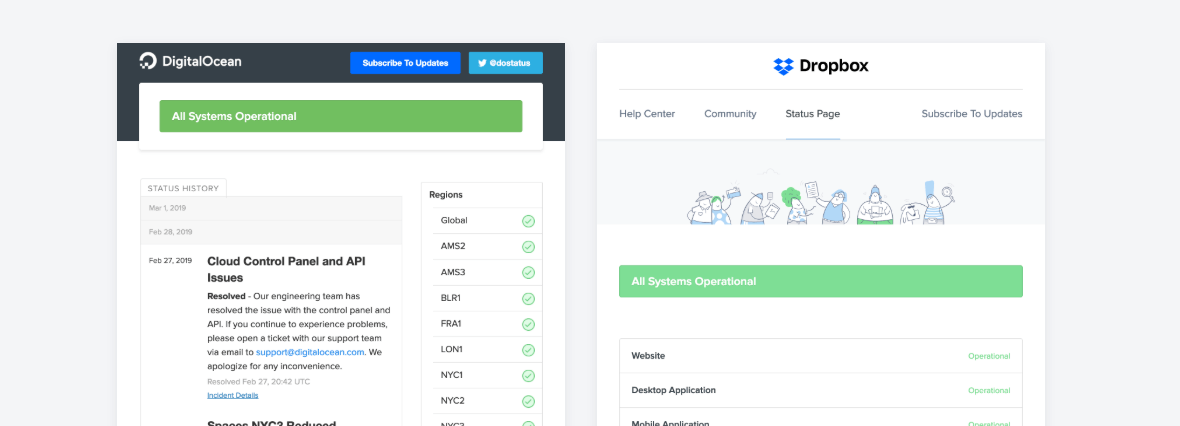
EnterpriseStatuspage.io by Atlassian is the #1 status page provider and the industry standard, trusted by a majority of companies worldwide. This comprehensive solution offers highly customizable templates, real-time incident updates, and seamless integration with Atlassian products, making it the go-to choice for enterprise organizations.
Key Features:
- Highly customizable status pages
- REST API access
- Email and Slack notifications
- Incident templates and automation
- Twitter integration
Pricing:
- • Free plan: 100 subscribers, basic features
- • Hobby: $29/month
- • Business: $399/month (includes CSS/HTML customization)
- • Private pages: Start at $79/month
Best for: Large enterprises with complex needs and existing Atlassian ecosystem.
IsDown.app
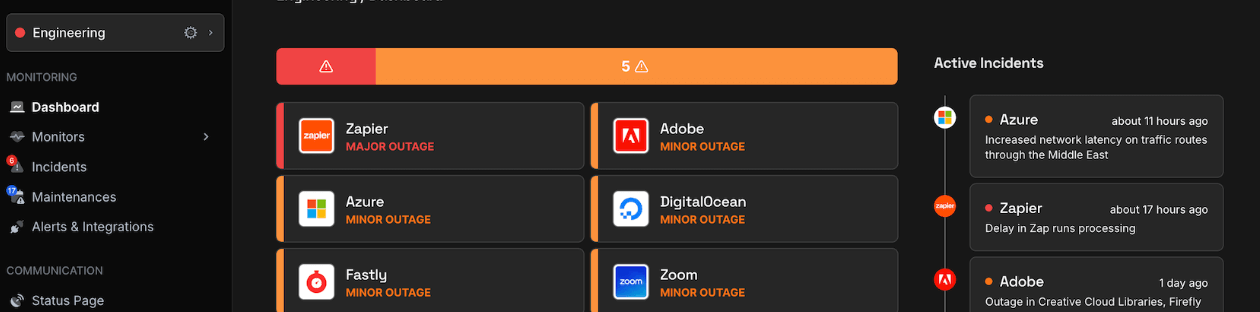
Internal/Private + Vendor MonitoringIsDown is the only status page tool built for monitoring your vendor dependencies alongside your own infrastructure. Create secure, SSO-protected internal status pages that show the real-time status of 6,000+ third-party services — AWS, Azure, GitHub, Stripe, and more — right next to your own components.
Key Features:
- Multiple public, internal, and private status pages per plan
- SSO (SAML/OAuth) for secure team access
- Aggregate 6,000+ vendor status pages (AWS, Azure, GitHub, Microsoft 365, etc.)
- Early outage detection — know 30+ minutes before your users do
- Datadog, PagerDuty, Slack, Teams, and more integrations
Pricing:
- • Pro: $37/month (30 monitors, 2 status pages, 500 subscribers)
- • Premium: $74/month (70 monitors, 5 status pages, 1,000 subscribers, SSO)
- • Business: $150/month (150 monitors, unlimited status pages, 2,000 subscribers, SSO)
- • 14-day free trial, no credit card required
Best for: IT operations, SRE teams, and enterprise organizations that need internal status pages with vendor dependency monitoring, SSO, and centralized visibility across their entire service stack.
Better Stack (Better Uptime)
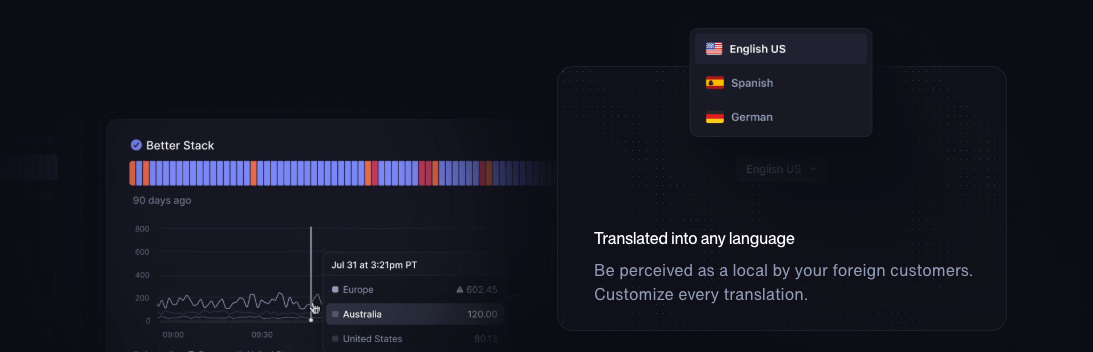
Free OptionBetter Stack offers a free hosted status page with dark mode, custom branding, and uptime monitoring built-in. Then you can use addons to extend the features ( IP restriction, Whitelabeling, SSO protection, etc.)
Key Features:
- Free status page with custom domain
- Dark mode and custom branding
- Built-in uptime monitoring
- Custom CSS support
- Email subscriptions for updates
Pricing:
- • Free: 10 monitors, 3-minute checks, status page
- • Paid: You can add each addon which has a different price
- • Single Sign-On (SSO) protection at $250/month
- • IP restriction at $250/month
Best for: Startups and small teams looking for a free, feature-rich status page solution with built-in monitoring capabilities.
Instatus
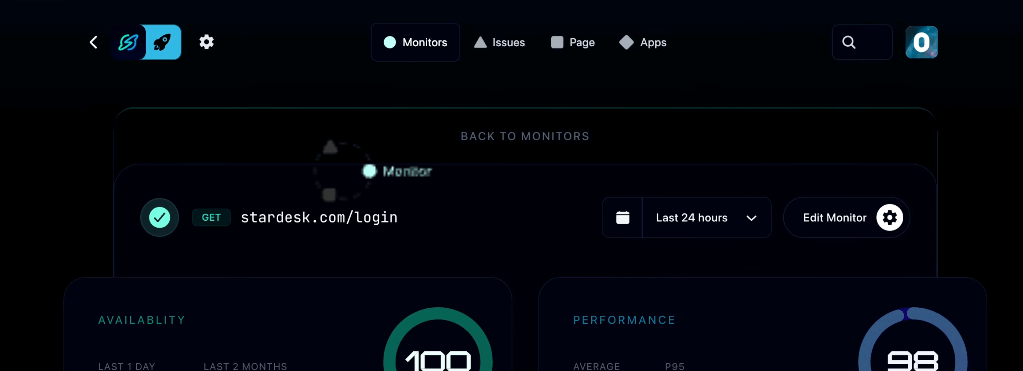
Free OptionInstatus offers beautiful, customizable status pages. Their static pages are delivered via CDN for reliability during incidents.
Key Features:
- Static pages delivered via CDN
- Unlimited team members and subscribers
- Email & SMS alerts
- SAML SSO (Business plan)
Pricing:
- • Free: 15 monitors, 2-min checks, 200 subscribers
- • Pro: Starting at $20/month
- • 25% off when paying annually
- • Free Pro for non-profits & open-source
Best for: SaaS companies needing beautiful, customizable status pages.
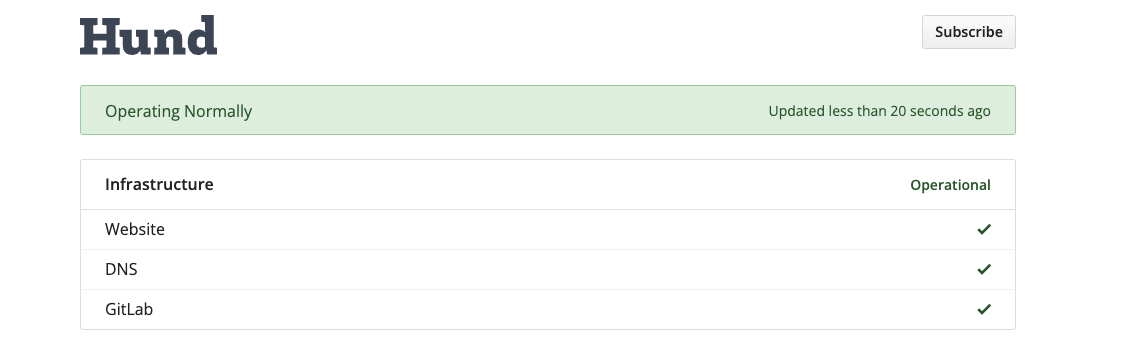
Hund
CustomizableHund delivers powerful status pages with transparent, usage-based pricing. Offers complete customization control with HTML/CSS editors, live previews, and advanced automation features.
Key Features:
- Full HTML/CSS customization
- Unlimited traffic and users
- Comprehensive REST API
- Terraform provider
- 99.9% uptime SLA
Pricing:
- • Starts at $29/month (20 components)
- • Usage-based: +$29 for every 20 components
- • SSO add-on: $100/month (account-wide)
- • 30-day free trial, no credit card required
Best for: Organizations needing deep customization and automation with transparent, predictable pricing based on usage.
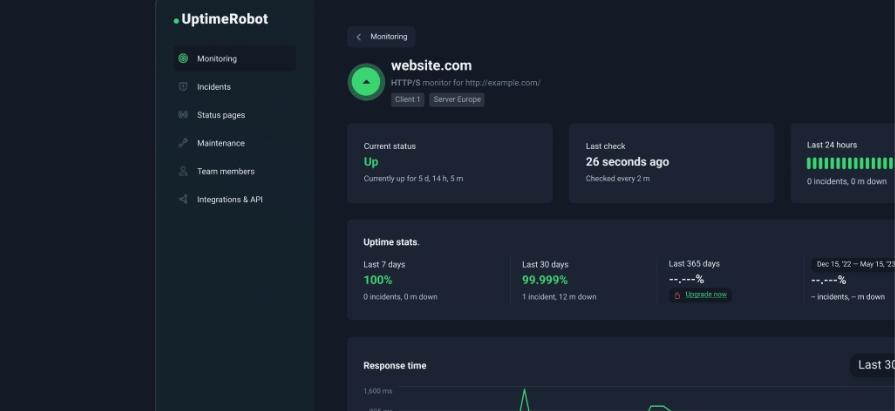
UptimeRobot
Budget-FriendlyUptimeRobot combines uptime monitoring with free status pages. Offers exceptional value with up to 50 monitors free and unlimited status pages at affordable prices.
Key Features:
- Free plan with 50 monitors
- 60-second monitoring interval on paid plans
- Custom branding and styling
- Public and private status pages
- 11 language support
Pricing:
- • Free: 50 monitors, 5-min interval, basic status pages
- • Solo: $7/month annually (10 monitors, 60-sec interval)
- • Team: $29/month annually (100 monitors, 60-sec interval)
- • Enterprise: $54/month annually (200 monitors, 30-sec interval)
Best for: Budget-conscious teams needing both uptime monitoring and status pages. Excellent value with generous free tier.
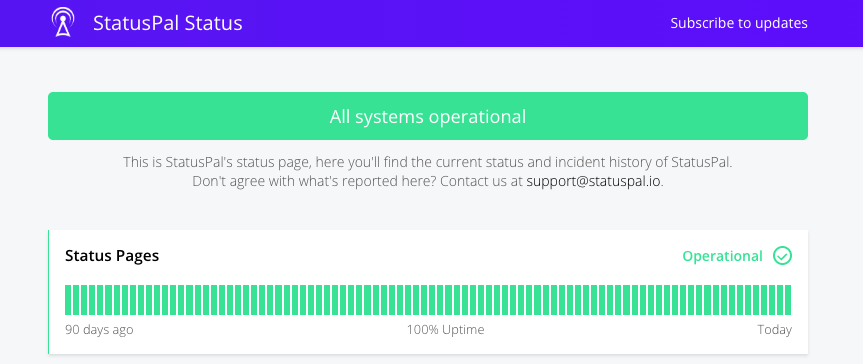
Statuspal
Multi-languageStatuspal offers unlimited public status pages with AI-powered translations in 10+ languages. Great for global teams needing multi-lingual incident communication.
Key Features:
- Unlimited public status pages
- AI-powered translations (10+ languages)
- 40+ integrations available
- Live chat support
- SSO integration
Pricing:
- • Hobby: $46/month (unlimited public pages, 5 team members)
- • Startup: $99/month (public & private, 20 team members)
- • Business: $299/month (50 team members, SSO add-on)
- • Enterprise: Custom pricing
Best for: Global companies serving international customers and needing multi-language status pages with automated translations.
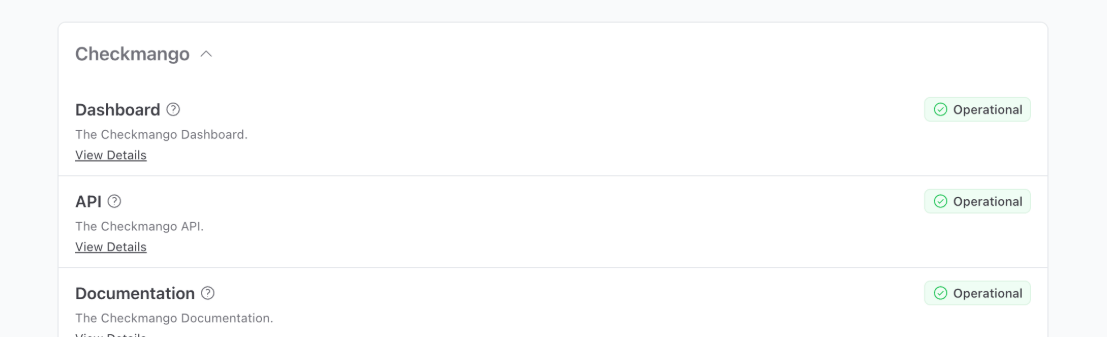
Cachet
Open SourceCachet is a free, open-source, self-hosted status page system built with Laravel. Perfect for organizations wanting full control over their status page infrastructure.
Key Features:
- 100% free and open-source
- Self-hosted, full control
- JSON API for automation
- Schedule maintenance events
- Component grouping and metrics
Pricing:
- • Free (BSD-3 license)
- • Self-hosted on your infrastructure
- • Requires: MySQL/PostgreSQL/SQLite
- • Optional APC or Redis for caching
Best for: Organizations with technical resources who need a free, self-hosted solution with complete control over their status page.
Other Notable Alternatives
Sorry
Beautiful status pages with automated incident communication. Includes SSO (SAML), role-based access control, and 1000 subscribers. Strong categorization features for selective customer notifications.
Starting at: $99/month (1000 subscribers, 5 team members, 7-day trial)
Learn more →Pingdom
Comprehensive uptime monitoring with public status pages included. Great for teams already using Pingdom for monitoring.
Starting at: $15/month (Real User Monitoring plan)
Learn more →StatusHub
Connected hubs for operating multiple status pages. Strong notification channels including SMS with included credits.
Starting at: $49/month (250 subscribers)
Learn more →Rootly
End-to-end incident management platform with built-in AI automation for Slack/Teams. Includes on-call management with multi-cloud redundancy.
Pricing: Starts at $20/user/month
Learn more →Incident.io
Slack-powered incident management with AI insights and automation. Strong integration with GitHub, Jira, PagerDuty, and Statuspage.
Starting at: Free option available, paid plans from $15-25/user/month
Learn more →